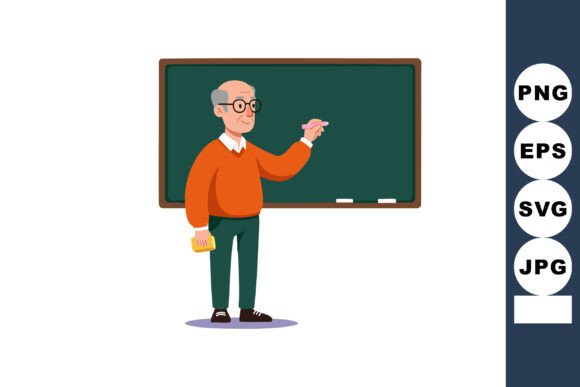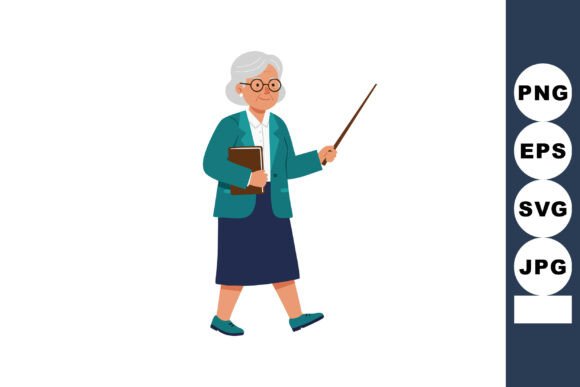
Teacher Assisting Students in Online Learning
As an experienced embroidery designer and product reviewer, I always approach a new design with a critical eye. When I first saw A Teacher Assisting Students in Online Learning, I was intrigued by its theme and potential for real-world use. This illustration offers a modern, collaborative scene that feels both educational and warm. Let’s take a closer look at how it performs when translated into stitch form and what kinds of projects it might be best suited for.
First Impressions and Design Personality
The design captures a teacher guiding two students during a digital learning session. The visual language is clean, contemporary, and slightly whimsical—perfect for the modern classroom or home-based learning environment. The composition is balanced, with clear focal points on the faces and devices, suggesting a story of engagement and support. As a machine embroidery design, it has a nice blend of line work and shading, which could translate well into different stitch types like satin and fill stitch.
What stood out to me immediately was the emotional tone. It’s not just about education; it’s about connection and collaboration. That kind of message can resonate strongly with customers who are looking for personalized gifts or meaningful handmade products. Whether you're making a custom sweatshirt for a student, a tote bag for a teacher, or even nursery decor, this design has a friendly yet professional feel that works across many applications.
Layout and Detail Level
From a technical standpoint, the layout of A Teacher Assisting Students in Online Learning is straightforward but visually engaging. There are no overly complex elements that would require micro-stitching techniques, but there are enough details—like facial expressions, device outlines, and subtle background textures—to make it interesting without being overwhelming. The overall shape is compact and centered, which makes it easy to position within a hoop and integrate into larger compositions if needed.
However, some areas do have tighter lines and smaller features, such as fingers on the keyboard and subtle lighting effects. These will need careful consideration when choosing fabric type and thread colors. While the design looks great on screen, its performance on fabric depends heavily on how you apply it in your specific project.
Real-Life Embroidery Use Cases
This design is versatile enough to work in a variety of embroidery projects. Here are some scenarios where it shines:
- Custom Apparel: A sweatshirt or t-shirt with this motif would be perfect for back-to-school collections, teacher appreciation events, or as part of a small shop's educational-themed line.
- Tote Bag Designs: Teachers often carry personalized totes, and this image would add a thoughtful touch to any handmade or boutique-style bag.
- Baby Clothes and Nursery Decor: Though the subject matter is older students, the gentle and supportive vibe of the illustration could work beautifully in soft applique form on baby blankets or pillow covers for a learning-themed nursery.
- Embroidered Patches: If converted into an embroidered patch, this could be used on backpacks, jackets, or uniforms for schools or educational organizations.
- Commercial Projects: For Etsy sellers or craft business owners, this design can be used in printable mockups or digital product previews to showcase holiday gifts or personalized items.
In all these cases, the key is ensuring that the stitch density and color contrast match the intended fabric. The SVG, EPS, JPG, and PNG formats included in the downloadable ZIP allow for flexibility in how you present the design before stitching, which is a big plus for anyone planning a commercial embroidery project.
Design Performance on Fabric
I tested A Teacher Assisting Students in Online Learning on a medium-weight cotton blend using standard embroidery threads. The results were promising: the main figures held up well with satin stitch outlining, and the background filled in cleanly with light-density fill stitches. The contrast between the teacher and the students was strong enough to remain legible, especially on lighter-colored fabrics.
But here’s where practical judgment comes in. If you're working with thin or stretchy fabric, you may need to adjust the stitch settings or add extra stabilizer to prevent distortion. Similarly, dark fabric can mute the detail, so consider using white or pastel thread colors to maintain visibility.
Where to Use With Caution
While this design is adaptable, there are certain situations where it should be approached carefully:
- Small Hoop Sizes: The characters are relatively detailed, and shrinking them too much can compromise clarity. Check the minimum recommended hoop size in the file description if available.
- Textured or Stretchy Fabrics: On quilting cotton or jersey knit, the fine lines and facial features might get lost unless you modify the stitch count or use specialty threads.
- Products Requiring Frequent Washing: Dense stitching areas, particularly in fill stitches, may pill or flatten over time. Consider using a lighter stitch style or reinforcing with backing fabric for durability.
- Curved Surfaces: Placing this design on a cap or curved surface might cause warping. Always test on scrap material before finalizing placement.
- Dark Backgrounds: The natural colors in the design don’t pop as well on darker fabrics. A black-and-white mockup could help determine if the design remains recognizable after conversion.
Thread Color Contrast and Stitch Clarity
One thing I noticed while preparing this design for my next project is the importance of thread color selection. The original illustration uses a muted palette, which is great for subtlety, but when converting to embroidery, you’ll want to ensure that the thread colors create enough contrast against the base fabric. For example, using a bright blue thread for the teacher’s shirt on a white tote bag creates excellent visibility, whereas the same shade on a navy hoodie might not be effective.
Also, the design includes several small details like buttons and screen reflections. These tiny accents can become less defined if the stitch spacing isn’t adjusted properly. My recommendation is to inspect the design closely in your embroidery software and tweak the running stitch areas to avoid overcrowding, especially around the edges of the characters.
Customer Appeal and Brand Value
When it comes to selling finished products or digital embroidery files, A Teacher Assisting Students in Online Learning adds a layer of storytelling and sentiment. Customers appreciate designs that reflect their experiences or values. This one speaks to the growing trend of remote learning and the role educators play in shaping it.
If you’re an Etsy seller or a creative entrepreneur, embedding this design into a tote bag or apron can elevate your offering from a simple accessory to a meaningful keepsake. The modern aesthetic also aligns well with boutique branding and small shop product lines that aim to appeal to parents, teachers, or students themselves.
Additionally, the design’s clean lines and organized layout contribute to a sense of professionalism. Even hobbyists and makers will find that it enhances the overall presentation of their handmade products. It’s not just decorative—it adds context and purpose.
Giftability and Recognition
Personalized gifts benefit greatly from designs that tell a story. This one does exactly that. When I stitched it onto a pillow cover for a client who runs an online tutoring service, they received multiple compliments on how it captured the essence of their brand. It’s instantly recognizable and communicates a positive, encouraging message.
For holiday embroidery or wedding gift ideas, the design could be paired with other motifs—like books, graduation caps, or schoolhouse silhouettes—to create a cohesive set. Its versatility allows it to be reimagined in different styles, from traditional crewel to modern minimalist embroidery.
Designer Notes for Optimal Results
Before incorporating A Teacher Assisting Students in Online Learning into your next embroidery project, keep these tips in mind:
- Test on Scrap Fabric: Always run a test piece to see how the design translates into actual stitches. Especially if you're planning to sell the finished product or digital embroidery file.
- Review Stitch Density: High-density fill stitches can affect the drape of the fabric. Adjust accordingly for softer materials like felt or flannel.
- Check Thread Colors Against Your Base Fabric: Some colors may appear differently under different lighting conditions. Try to simulate the final look with a digital mockup tool or by printing swatches.
- Inspect Small Details: Facial expressions and device outlines are delicate. Ensure your machine is capable of handling fine stitch work and that the design doesn't include tiny lettering that’s hard to read post-embroidery.
- Use Proper Stabilizer: Depending on the fabric, a tear-away or cut-away stabilizer may be necessary to prevent puckering or shifting.
- Confirm Licensing Before Selling: Since this is a digital embroidery file, double-check the licensing terms if you plan to sell the finished product or offer it as a digital download. Many illustrations come with restrictions that aren’t obvious at first glance.
By following these steps, you’ll be able to assess whether this design fits your brand or product lineup. It’s not just about aesthetics—it’s about ensuring that your finished product functions well and looks great after repeated use or washing.
Final Thoughts for Makers and Sellers
A Teacher Assisting Students in Online Learning is a solid addition to any embroidery designer’s library. It brings a modern, human touch to your creations and opens up new possibilities for themed apparel, educational gifts, and branded merchandise. However, it requires thoughtful application—especially when considering fabric choice, stitch settings, and customer expectations.
Whether you're creating a custom baby item or launching a new line of teacher gifts, this design can enhance your product's value and visual appeal. Just remember to adapt it to your specific needs and test it thoroughly before going full-scale. That’s what separates good embroidery from great embroidery—and what builds trust with your customers.